Where Evidence Is Most Needed
TICM’s research agenda is organized around three domains where the gap between technological capability and clinical evidence is widest, and where closing that gap would most directly benefit patients.
The Research Thesis Behind TICM
TICM studies technologies that change the physiologic cost of movement. The institute's role is to translate those shifts into usable protocols, measurable progression, and evidence that matters beyond a single study.
ALPP, the Assisted Locomotor Progression Protocol, captures that translational logic in one framework: adjust assistance, observe physiologic tolerance, and build progression decisions around the measures that clinicians, payers, and partners actually need.
Assistance as a Clinical Variable
Adjustable assistance changes exertion, dyspnea, oxygen need, and walking tolerance. TICM treats that shift as something to define, measure, and use systematically.
Progression Guided by Physiology
The institute studies how cardiopulmonary response, endurance, and tolerance can guide safe progression from more support toward less support over time.
Endpoints That Matter Beyond the Study
Functional recovery, physiologic response, usability, and implementation relevance are selected because they support next-step decisions, not publication alone.
Research Designed for the Full Evidence Journey
The three research areas below apply the same translational methodology to different problems: define the variable, structure progression, and generate evidence that can support real next-step decisions in practice, reimbursement, and deployment.
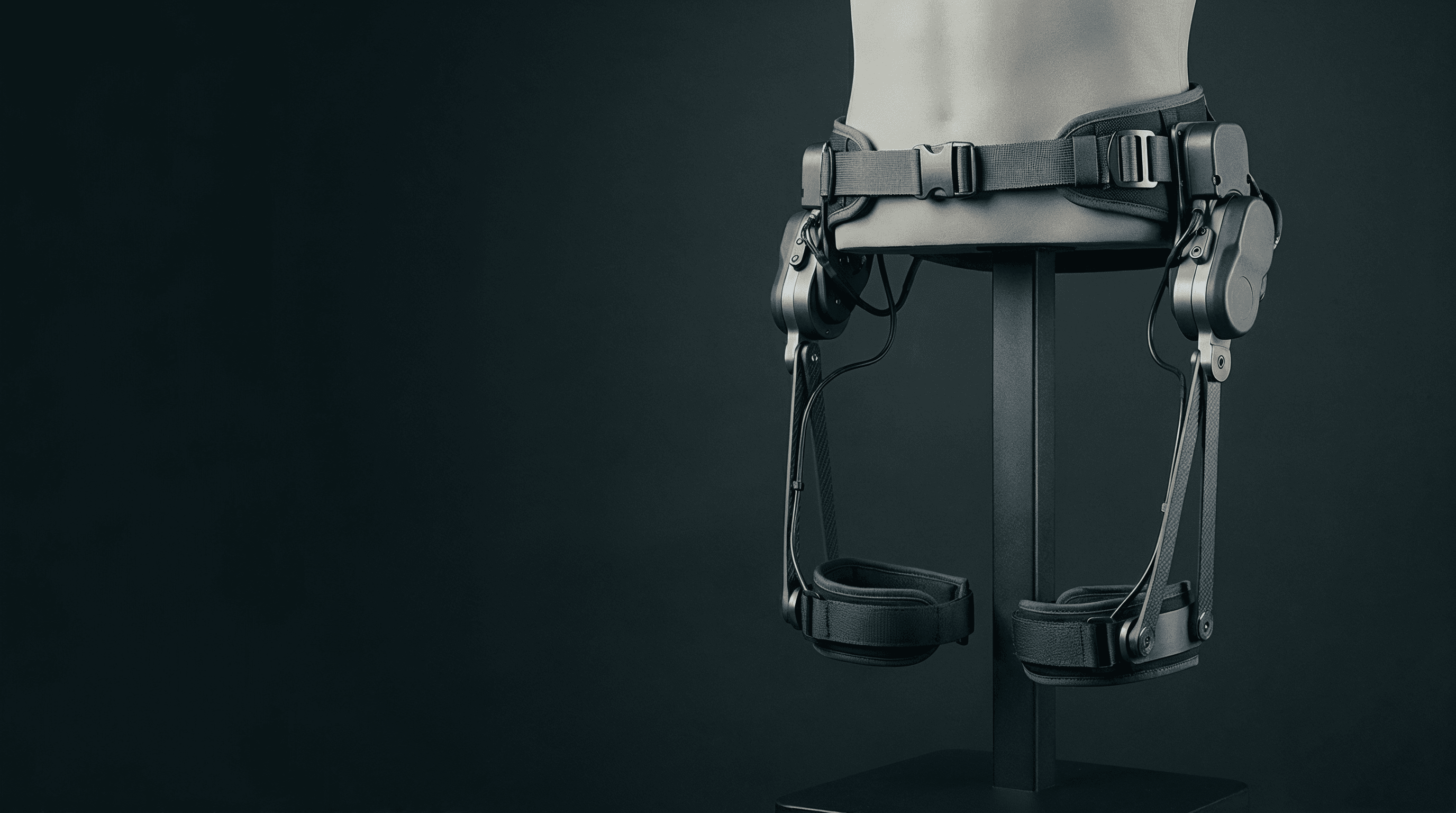
Wearable Robotics & Assisted Mobility
Robotic exoskeletons and powered mobility devices represent some of the most promising advances in rehabilitation technology. But clinical adoption depends on functional and cardiopulmonary outcome data that most existing studies were not designed to produce.
TICM’s research in this domain focuses on the functional validation that connects device performance to patient-level outcomes: mobility gains, cardiopulmonary response, and real-world usability.
Key Research Questions
- How do wearable robotic devices affect cardiopulmonary function during assisted mobility?
- What functional endpoints best predict real-world adoption and sustained use?
- How can lean pilot designs generate the evidence needed for regulatory and payer conversations?

Cardiopulmonary Performance & Functional Recovery
Recovery after pulmonary or cardiac events is measured in functional gains: exercise capacity, respiratory performance, return to daily activity. Yet the evidence supporting many rehabilitation and intervention strategies still relies on surrogate markers that miss the functional picture.
TICM’s research in this domain centers on functional and cardiopulmonary outcomes that reflect how patients actually recover, adapt, and live, generating evidence that matters to the people making treatment decisions.
Key Research Questions
- Which functional endpoints most reliably capture meaningful recovery in cardiopulmonary patients?
- How do rehabilitation strategies compare when measured by real-world functional outcomes?
- What evidence do payers and health systems need to support broader access to cardiopulmonary rehabilitation?
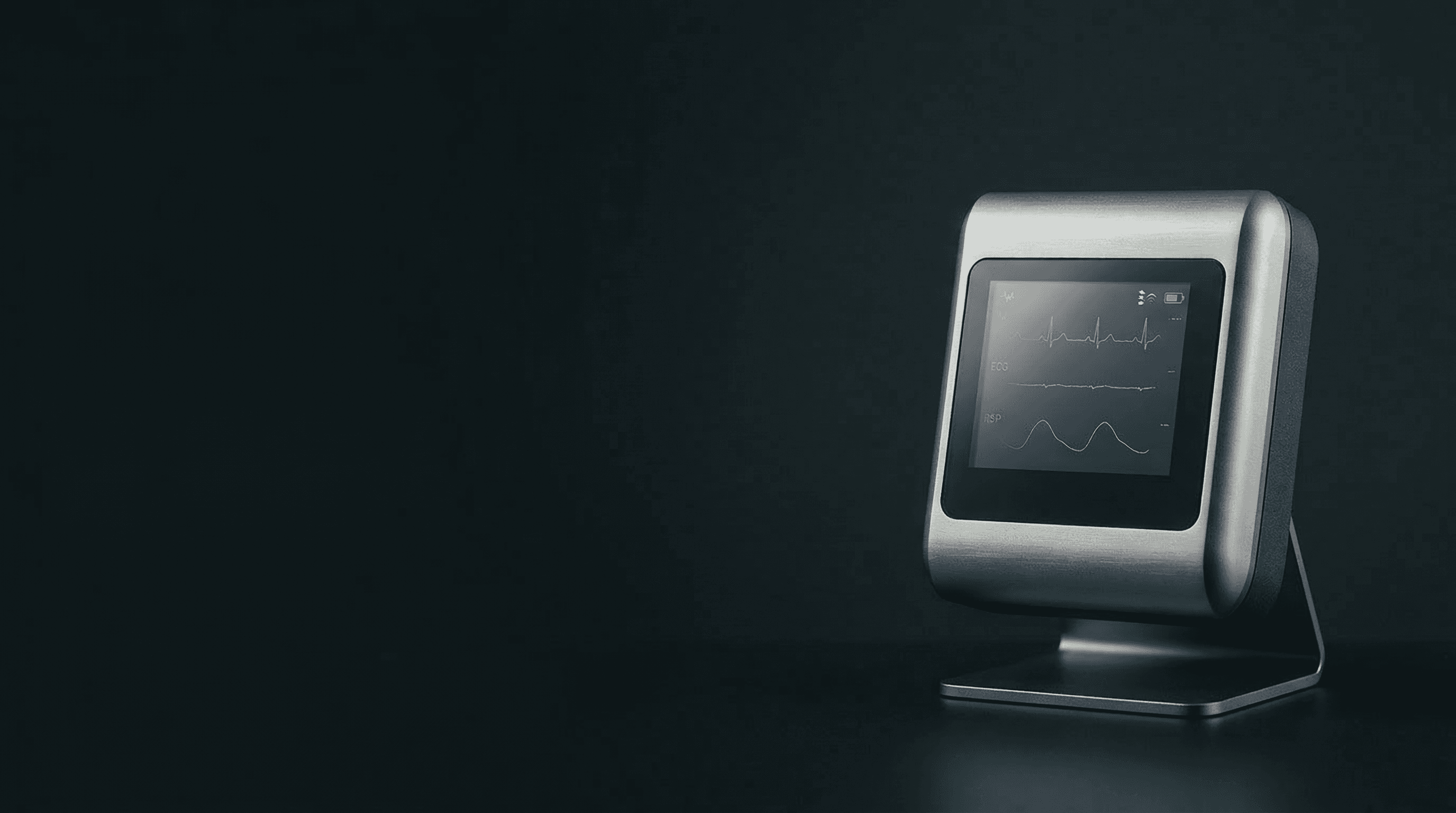
Real-World Physiologic Validation & Monitoring
Wearable sensors generate continuous physiologic data across the full duration of activity: heart rate variability, respiratory patterns, oxygen saturation, movement quality. The data volume is high. But volume is not evidence.
TICM conducts the validation research that connects device-level signals to patient-level outcomes, turning continuous monitoring data into something clinicians and payers can act on.
Key Research Questions
- Which wearable-derived physiologic metrics correlate most strongly with clinical outcomes?
- How should validation studies be designed to support both clinical adoption and regulatory review?
- What is the threshold of clinical validation needed for payer recognition of remote physiologic monitoring?
Current Work in Development
TICM’s early pipeline includes manuscript development, pilot study planning, and translational feasibility assessment across cardiopulmonary mobility and clinical measurement.
Oxygen Delivery Reliability Review
Narrative review in preparation examining tubing kinking, flow disruption, and the clinical implications of oxygen-delivery failure in real-world cardiopulmonary care.
Hip-Assist Device Pilot Development
Pilot study planning focused on how wearable hip-assist devices may influence walking tolerance, physiologic demand, and mobility performance in cardiopulmonary rehabilitation contexts.
Remote Physiologic Signal Validation
Feasibility assessment in development exploring remote photoplethysmography as a scalable method for non-contact vital-sign capture in translational research and clinical monitoring workflows.
Collaborate on the Evidence That Matters
If your team is pursuing translational questions or developing technologies in these domains, TICM was designed for this kind of collaboration.
Research inquiries can also be sent to research@txpulmfoundation.org.